Choosing a medical alert system in Canada shouldn’t be complicated – but the market is crowded, the marketing is loud, and the differences between providers are not always obvious until something goes wrong.
This guide cuts through the noise. Whether you’re looking for a device for a parent living alone, a spouse recovering from a health event, or yourself, here is everything you need to know to make a confident, informed decision.
What Is a Medical Alert System?
A medical alert system – also called a personal emergency response system or PERS – is a monitored device that lets a person summon help at the press of a button. When activated, the device connects the user to a live monitoring agent who assesses the situation and dispatches emergency services, contacts family members, or both.
The best systems do more than just respond to button presses. They offer automatic fall detection, two-way voice communication, GPS location tracking for mobile users, and 24/7 monitoring by trained agents – not automated systems.
The Four Main Types of Medical Alert Systems
1. In-Home Base Station (Landline or Cellular)
These systems consist of a base unit that plugs into a phone jack or uses a built-in cellular connection, paired with a wearable pendant or wristband. Range typically extends throughout the home and into the yard.
Best for: Seniors who spend most of their time at home and want a simple, reliable device with long battery life on the wearable component.
Limitations: No protection once the user leaves home range.
2. Mobile GPS Device
A portable device with built-in GPS and cellular connectivity that works anywhere in Canada with cell coverage. The user carries or wears the device and can press the button whether they’re in the garden, at the grocery store, or on a walk.
Best for: Active seniors who drive, travel, or spend significant time outside the home.
Limitations: Requires regular charging (typically daily or every few days depending on the device).
3. Smartwatch-Style Device
A GPS-enabled medical alert device worn on the wrist that resembles a watch. Combines the functionality of a mobile GPS device with a more discreet, everyday appearance.
Best for: Seniors who want a mobile device but prefer a less conspicuous look, or those who are comfortable with wearable technology.
Limitations: Smaller speaker and microphone than pendant-style devices; some users find wrist devices less comfortable for all-day wear.
4. Non-Wearable Passive Monitoring (mmWave Radar)
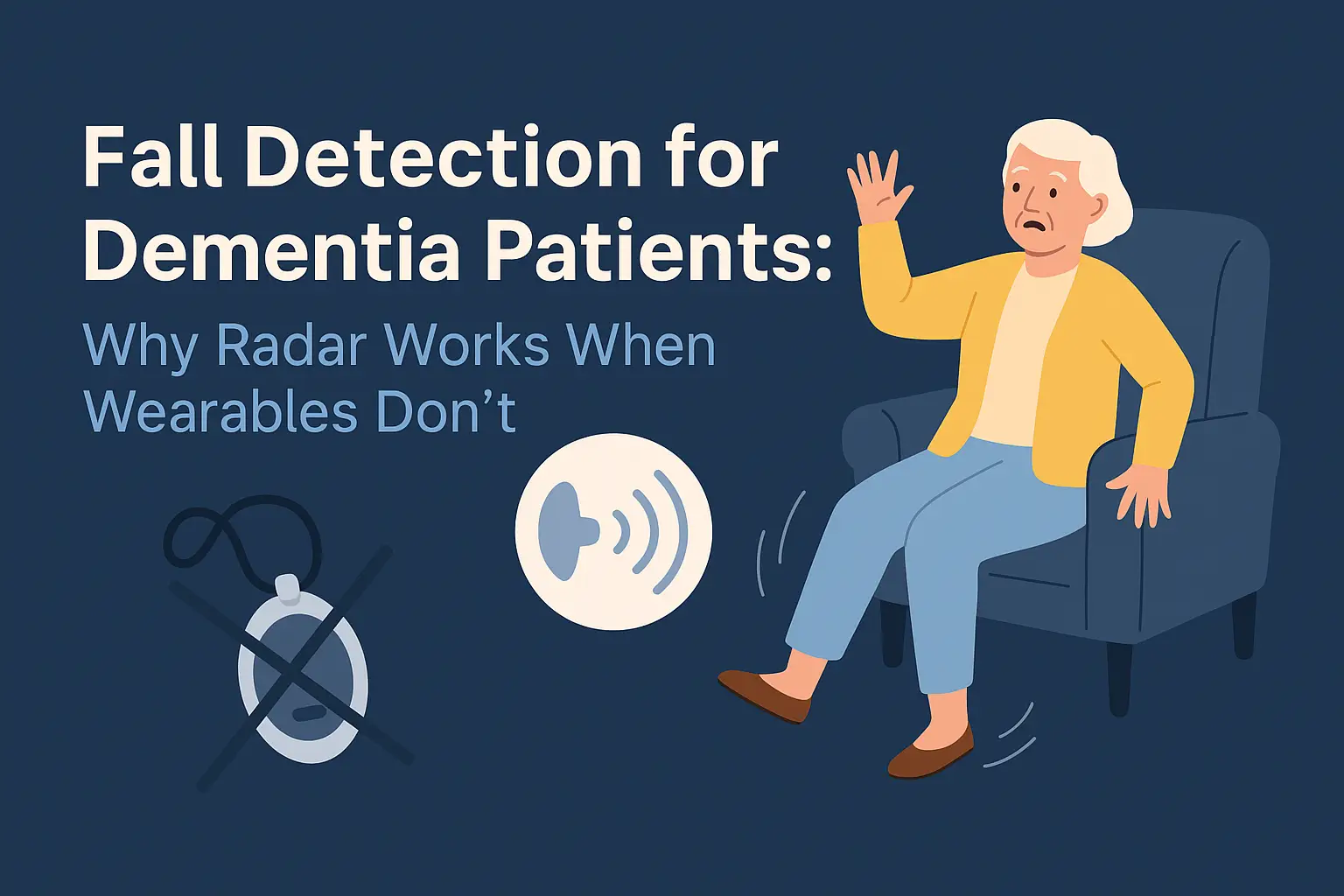
A newer category of device that uses radar technology to monitor movement and detect falls without requiring the person to wear anything. Sensors installed in the home detect falls and abnormal activity patterns and alert the monitoring centre automatically.
Best for: Individuals who refuse to wear a device, those with dementia or cognitive impairment, or as a complement to a wearable system.
Limitations: Requires professional installation; does not provide GPS tracking or two-way communication.
The 8 Most Important Things to Look For
1. Canadian Monitoring – Not a US Call Centre
This matters more than many people realize. When your loved one presses that button, the agent on the other end needs to be able to dispatch Canadian emergency services, understand Canadian addresses, and know the difference between calling 911 in Mississauga versus Medicine Hat.
Many large US-based providers sell into Canada but route monitoring calls through American centres. Ask explicitly: where are your monitoring agents located, and are they trained to dispatch Canadian emergency services?
2. Response Time
The industry standard is often quoted as “under 60 seconds,” but the best providers answer within seconds – not minutes. Ask the provider what their average response time is, and whether that figure is published or verified independently.
A slow response defeats much of the purpose of having a monitored system. When someone has fallen and cannot get up, every second counts.
3. Fall Detection – Automatic vs. Manual
Automatic fall detection uses an accelerometer to sense a sudden drop and automatically alerts the monitoring centre – even if the person cannot press the button. This is particularly important for seniors who may lose consciousness during a fall or be too disoriented to activate the device.
Not all devices include automatic fall detection, and not all fall detection is equally accurate. Ask about the false alarm rate and whether fall detection is included in the base price or charged as an add-on.
4. No Long-Term Contracts
Reputable Canadian providers do not require long-term contracts. Month-to-month billing is the standard you should expect. Be cautious of any provider that asks you to commit to 12, 24, or 36 months upfront – these contracts can be difficult to exit if the device doesn’t work out or the person moves to a care facility.
5. Monitoring Protocol Depth
What happens when the button is pressed? A basic protocol dispatches 911 and hangs up. A better protocol involves the agent staying on the line until help arrives, contacting family members, and following up after the incident.
Ask the provider to walk you through exactly what happens from the moment the button is pressed. The answer tells you a lot about the quality of their service.
6. Equipment Quality and Waterproofing
The device needs to work in the bathroom – where a large proportion of falls happen. Confirm that the wearable is fully waterproof (not just splash-resistant) and can be worn in the shower. Ask about the battery life on both the wearable and the base unit in the event of a power outage.
7. Caregiver and Family Features
Many providers offer companion apps or online portals that let family members view device status, activity history, and GPS location. These features can provide significant peace of mind for adult children who live at a distance from their parent.
Ask whether family notifications are included, and whether the system can maintain a contact list with multiple family members to be notified in a specific order.
8. Reputation and Reviews
Look for independently verified reviews – Google Reviews are generally reliable because they are difficult to manipulate at scale. A provider with hundreds of reviews and a rating above 4.5 stars has demonstrated consistent service quality over time.
Be cautious of review profiles that are thin, heavily weighted toward 5-star reviews with no detail, or that show a sudden spike in reviews over a short period.
Red Flags to Watch For
- Long-term contracts with cancellation penalties – a confident provider doesn’t need to lock you in
- US-based monitoring presented as Canadian – ask directly where the call centre is located
- No published response time data – if they won’t tell you, assume it’s not impressive
- Activation fees or equipment purchase requirements – many reputable providers include equipment at no upfront cost
- Automated answering systems instead of live agents – in an emergency, there should be a human on the line immediately
- Vague monitoring protocols – “we’ll get help” is not a protocol
How Much Does a Medical Alert System Cost in Canada?
Monthly monitoring fees for Canadian medical alert systems typically range from approximately $30 to $60 per month, depending on the type of device and features included. Mobile GPS devices and fall detection add-ons tend to be at the higher end of that range.
Watch for the total cost of ownership, not just the monthly fee. Some providers charge separately for:
- Equipment (upfront purchase or rental)
- Activation fees
- Fall detection as an add-on
- GPS tracking as an add-on
- Family notification features
A transparent provider will give you a clear all-in monthly number with no surprises on the first invoice.
Is a Medical Alert System Covered by OHIP or Provincial Health Insurance?
Medical alert monitoring fees are not covered by OHIP or most provincial health insurance plans. However, there are several avenues worth exploring:
- Veterans Affairs Canada – eligible veterans may receive coverage for PERS devices
- Some employee benefits plans – check whether your plan includes assistive devices or home care benefits
- Tax deductibility – medical alert systems may qualify as an eligible medical expense for the federal Medical Expense Tax Credit; consult a tax advisor
- Some provincial programs – certain provinces offer subsidized PERS for low-income seniors; contact your local Home and Community Care Support Services office for details
How Bedford Medical Alert Is Different
Bedford Medical Alert was built around a straightforward premise: a medical alert system is only as good as the people monitoring it and the protocols behind it. We focus on serving Canadian families, senior living communities, and home care organizations who need a higher standard of service than the large US-based providers typically deliver.
- 4.9-star Google rating from families and care organizations across Canada
- No long-term contracts – month-to-month with no cancellation penalty
- Doctor recommended – trusted by discharge planners, home care agencies, and physicians
- In-home and mobile options – including non-wearable mmWave radar for those who won’t wear a device
- Intricate monitoring protocols – agents stay on the line and follow through until help arrives
Ready to find the right system for your family? Bedford Medical Alert offers a free, no-pressure consultation to help you choose the right device for your situation. Contact us online or call 1-888-755-3055 – no long-term contracts, no obligation.
Frequently Asked Questions
What is the best medical alert system in Canada?
The best system depends on your specific situation – whether the person spends most of their time at home or is active outside, whether they have a history of falls, and whether they’re willing to wear a device. The most important factors are Canadian monitoring, fast response times, and no long-term contracts. Bedford Medical Alert consistently receives top ratings from Canadian families for service quality and reliability.
Do medical alert systems work in rural Canada?
In-home systems work anywhere there is power, regardless of location. Mobile GPS devices depend on cellular coverage – coverage varies by carrier and region. When evaluating a mobile system for rural use, ask which cellular network the device uses and check coverage maps for your specific area.
Can I get a medical alert system without a landline?
Yes. Most modern medical alert systems use cellular connectivity and do not require a landline. This is now the standard for both in-home base units and mobile devices.
How do I know if my parent will actually wear it?
Resistance to wearing a medical alert device is one of the most common challenges families face. A few approaches that help: involving the person in choosing the device style, framing it as something for the family’s peace of mind rather than a sign of decline, and starting with a trial period so they can get comfortable with it. For those who consistently refuse wearables, non-wearable radar-based systems are worth considering.
What happens if there is a false alarm?
False alarms are a normal part of operating any monitored system. A good monitoring centre will attempt to reach the user before dispatching emergency services, which avoids unnecessary 911 calls. If the user accidentally presses the button, they simply tell the agent it was a false alarm and no further action is taken.