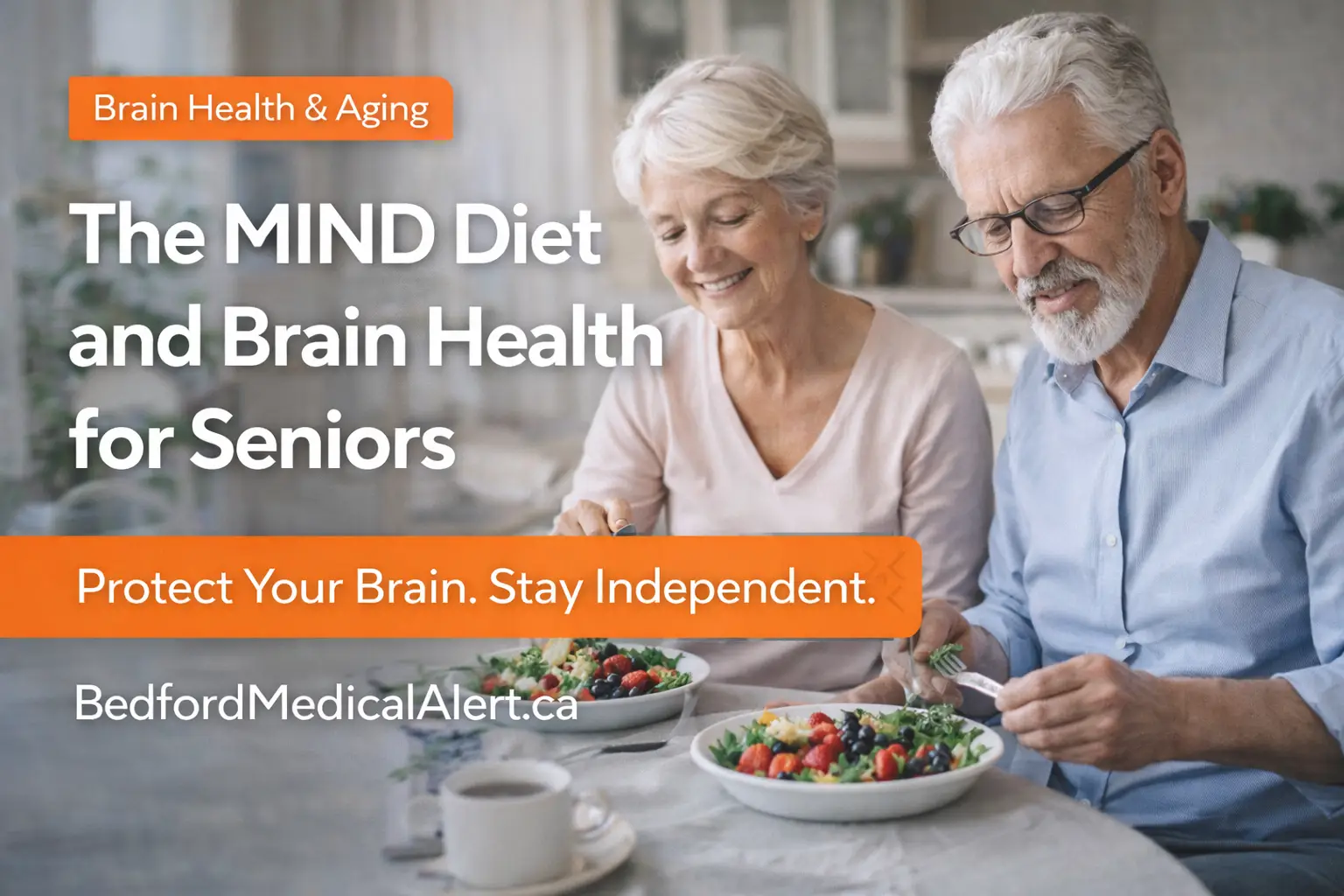
For most of us, one of the deepest fears about growing older is losing our mental sharpness. The good news? Researchers are building a compelling case that what we eat plays a meaningful role in protecting the aging brain – and a new study has just added to that evidence.
A March 2026 study published in the Journal of Neurology, Neurosurgery & Psychiatry found that closer adherence to the MIND diet was associated with significantly slower brain structural aging over a 12-year period. For Canadian seniors and the families who care for them, this research is worth understanding.
Here’s a plain-language breakdown – plus what you can realistically do about it.
What Is the MIND Diet?
The MIND diet – short for Mediterranean-DASH Diet Intervention for Neurodegenerative Delay – was developed by researchers at Rush University Medical Center in Chicago. It draws on two well-respected dietary patterns (the Mediterranean diet and the DASH diet) and zeroes in specifically on foods tied to brain protection.
The core idea is straightforward: eat more of the foods associated with brain health, and limit the ones linked to inflammation and vascular risk.
Foods to Eat More Of (Daily and Weekly)
- Leafy greens (spinach, kale, arugula) – at least once a day
- Other vegetables – at least half a cup daily
- Whole grains – three servings a day
- Olive oil – as your primary cooking fat
- Berries – at least five servings per week
- Nuts – five one-ounce servings per week
- Beans and legumes – three or more servings per week
- Fish – at least once a week
- Poultry – at least twice a week
Foods to Limit
- Red and processed meats – no more than three servings per week
- Butter and margarine – less than one teaspoon per day
- Full-fat cheese – no more than one small serving per week
- Pastries and sweets – no more than four small servings per week
- Fried or fast food – no more than one meal per week
The diet isn’t about perfection. Research suggests that even moderate adherence – making more of these choices more often – is linked to cognitive benefits.
What the New Research Found
The study followed 1,647 middle-aged and older adults for approximately 12 years. Participants completed detailed dietary questionnaires and underwent multiple brain MRI assessments.
The findings were notable. Higher adherence to the MIND diet was consistently linked to slower loss of grey matter – the part of the brain involved in thinking, memory, and decision-making. Each meaningful improvement in diet score was associated with the equivalent of roughly 2.5 fewer years of brain aging over the study period.
Brain imaging also showed slower enlargement of the brain’s fluid-filled ventricles among those who followed the diet more closely – another recognised marker of healthier aging.
Importantly, the benefits were more pronounced in older participants and in those who were also physically active, suggesting the MIND diet works best as part of a broader healthy-lifestyle approach.
Note: This was an observational study – it identifies associations rather than proving direct cause and effect. That said, 12 years of consistent findings across a large cohort is meaningful evidence.
Why This Matters for Canadian Seniors
Canada’s senior population is growing faster than any other age group. According to Statistics Canada, by 2030 roughly one in four Canadians will be 65 or older. Cognitive health – and preserving independence – is a pressing concern for millions of families.
The encouraging message from research like this is that lifestyle choices made at any age can influence brain trajectory. The MIND diet is accessible, doesn’t require expensive supplements or exotic ingredients, and fits naturally into the way most Canadians already eat – or could eat with modest adjustments.
For families supporting an aging parent, building MIND diet habits into shared meals is one of the most practical investments in long-term cognitive health available.
Brain Health and Physical Safety: Two Sides of the Same Coin
Cognitive decline and physical safety are deeply connected. As memory and processing speed change, the risk of disorientation, missed medications, and falls increases. Falls are the leading cause of injury-related hospitalisation among Canadian seniors – and many fall-related incidents happen when a senior is at home alone.
Supporting brain health through diet is a long-game strategy. But many families also want immediate peace of mind about their loved one’s physical safety at home.
This is where a monitored personal emergency response system (PERS) plays a complementary role. A medical alert device doesn’t replace healthy habits – but it provides a safety net for the moments when things go wrong, whether that’s a fall, a sudden health event, or simply needing to call for help.
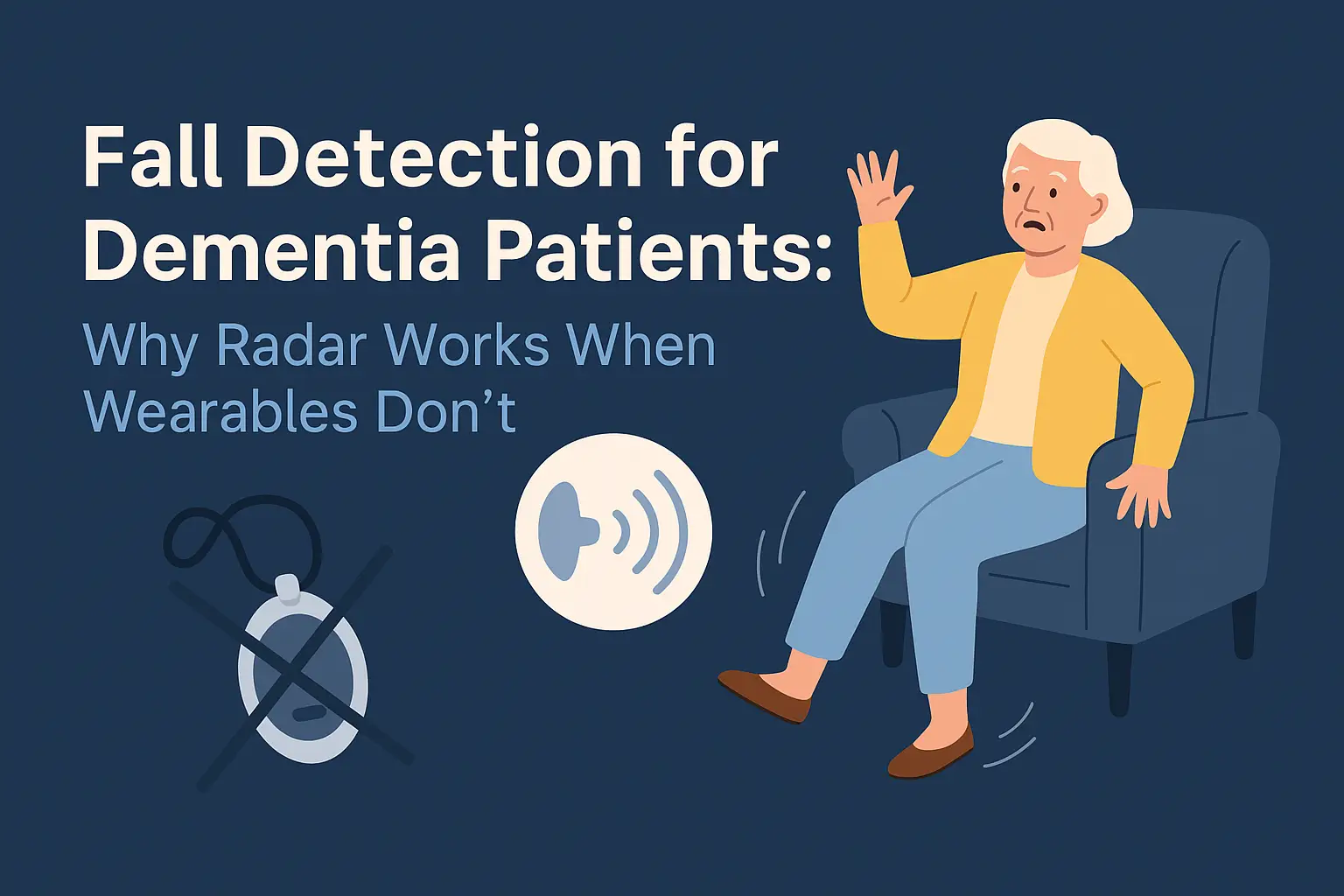
Bedford Medical Alert’s Home Freedom system provides in-home monitoring with fall detection, so even if a senior is home alone, help is never more than a button press away. Our Silver Shield system takes this a step further – a non-wearable mmWave radar device that detects falls automatically, without requiring the senior to press anything at all.
Want to learn which system is right for your family?
Call us at 1-888-755-3055 or fill out our quick consultation form at bedfordmedicalalert.ca/contact.
We are 100% Canadian, doctor-recommended, and rated 4.9 stars by families across Canada. No long-term contracts.
Simple Ways to Start the MIND Diet Today
You do not need to overhaul your entire kitchen. Here are some gentle entry points:
- Add a handful of spinach or arugula to lunch – a simple side salad counts
- Swap white bread for whole grain bread or oats at breakfast
- Replace butter with olive oil for cooking most of the time
- Have blueberries, strawberries, or frozen mixed berries a few times a week
- Choose fish (salmon, trout, sardines) once a week instead of red meat
- Keep a small bag of walnuts or almonds available for snacking
Small, consistent changes compound over years. That is exactly the kind of evidence the MIND diet research supports.
The Bottom Line
Brain health is influenced by dozens of factors – many of which are beyond our control. But diet is one lever we can actually pull. The MIND diet is practical, evidence-backed, and well-suited to Canadian eating patterns.
Pair it with regular physical activity, good sleep, and an honest conversation with your family doctor about cognitive health screenings – and you have a meaningful plan for protecting independence as you age.
And if you want the added reassurance of knowing help is always available at home, Bedford Medical Alert is here for that part too.
Learn more about our Home Freedom system:
bedfordmedicalalert.ca/bedford-home-freedom-medical-alert-system/
Or explore our Silver Shield non-wearable fall detection system – no button to press, nothing to wear, 24/7 Canadian monitoring.