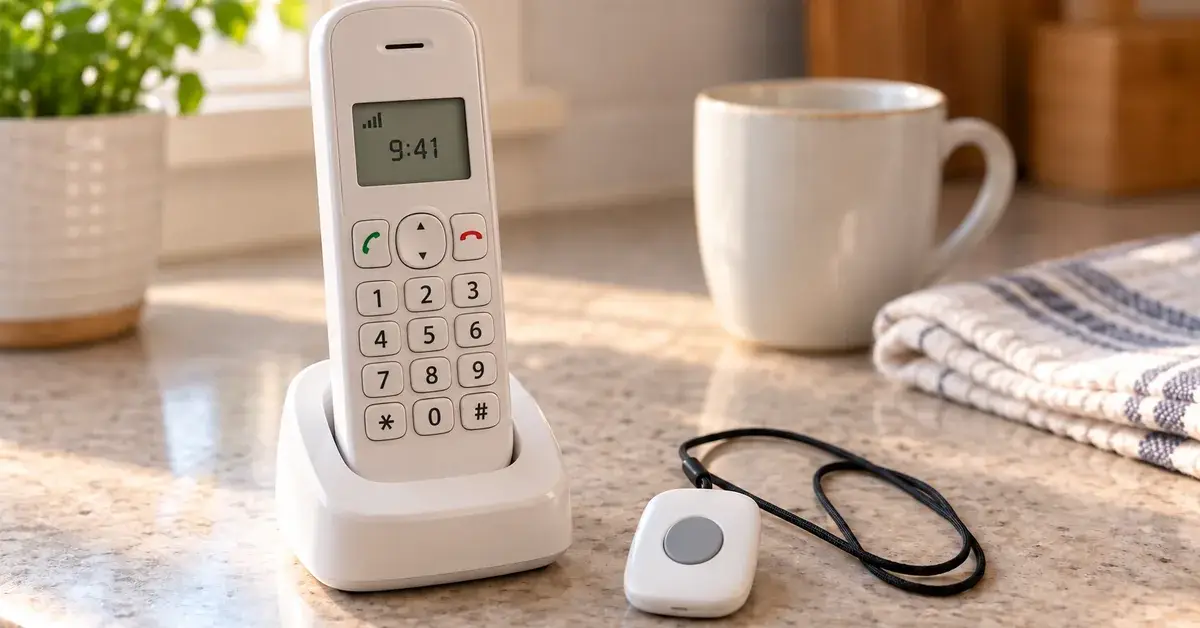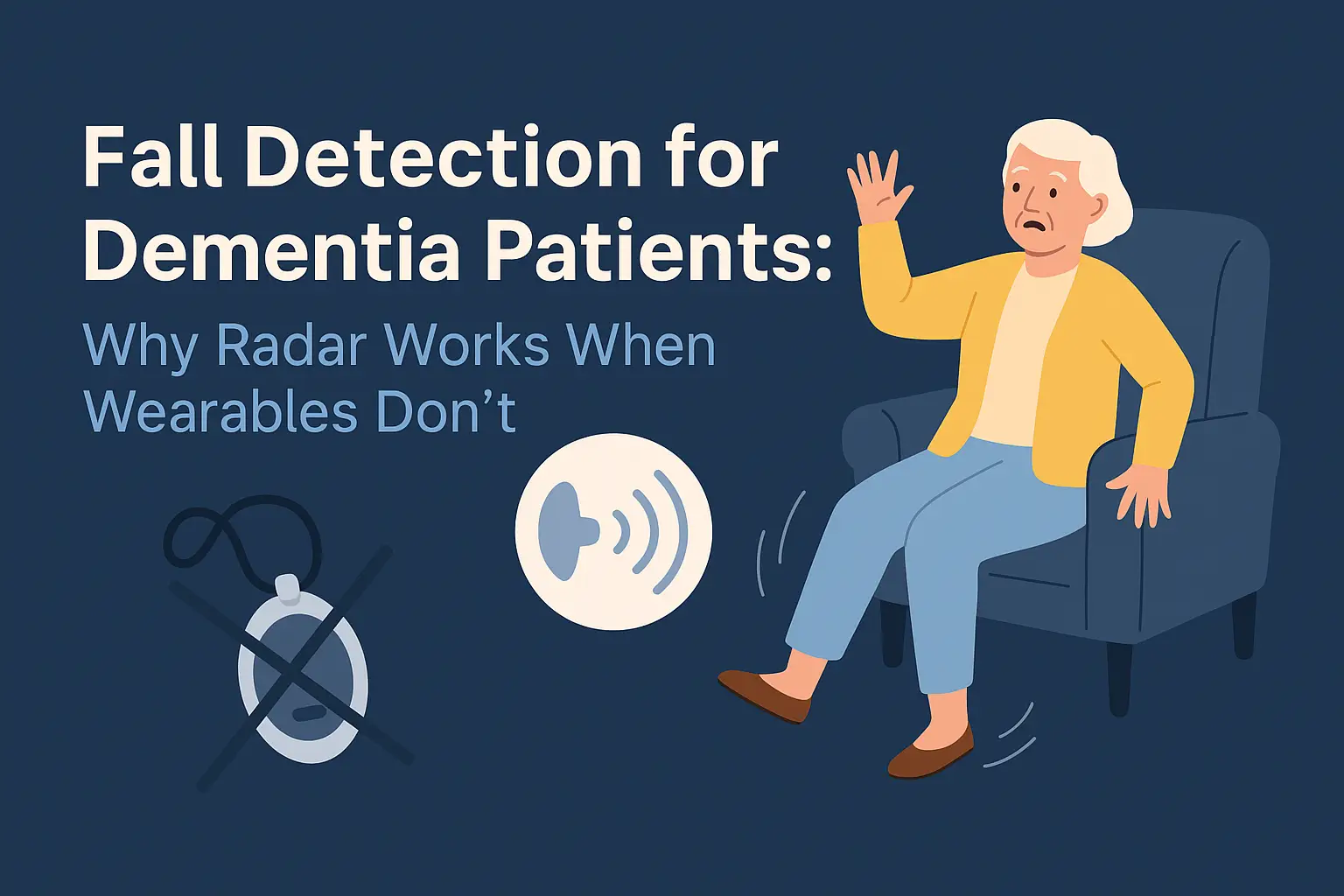
In a British study that followed people over 90, researchers found something families of dementia patients already know in their bones: cognitive impairment was the strongest predictor of lying on the floor a long time after a fall, and the personal alarms people owned mostly went unused when it happened (Fleming and Brayne, 2008, BMJ). A pendant only works if it is worn, remembered, and pressed. Dementia attacks exactly those three steps. That gap is why Bedford Medical Alert® built its radar fall detection offering around a different idea: protection that asks nothing of the person being protected.
Why wearables struggle in dementia care
Many fall detection devices, including Bedford’s own wearable systems, feature automatic fall detection, so no button press is needed. That was a real advance. But a wearable still depends on the person keeping it on, charged, and positioned. In dementia care, devices get removed, forgotten in a drawer, or put on in a way that stops them working. None of that is anyone’s fault. It is the disease. Planning around it is the caregiver’s job, and ours.
How radar fall detection works
The Silver Shield system uses millimetre-wave radar mounted in the room. It reads motion and body position without cameras or microphones, so a fall registers even if the person cannot call out, does not remember their pendant, or is alone at 3 a.m. When it detects a hard fall, it alerts the people chosen at setup: family, caregivers, or on-site staff, following the protocols the family or facility sets. No sensor on the market catches every fall, and we will never pretend otherwise. What radar removes is the daily dependence on memory and cooperation that wearables carry into dementia care.
What that looks like in a real night
Picture a woman in her mid-80s in a memory-care suite. She wakes disoriented, tries to reach the bathroom, and falls. She does not press anything; there is nothing to press. The radar system registers the fall and alerts the staff her family chose for exactly this moment, and help comes to her rather than waiting for morning. That scene is a composite, not a named customer, but it is the scenario this system was designed around, and versions of it play out in memory care every night of the year.
Privacy in the rooms that need it most
Radar reads position, not pictures. There is no video, no audio, no recording to review. The system knows someone is on the floor; it does not know or show anything else. Families get visibility into safety without putting a camera in a parent’s bedroom. For a person who cannot consent to being filmed, that distinction is not small.
In homes and memory-care communities
Bedford works with private households, retirement communities, long-term care providers, and home caregivers across Ontario. One sensor can cover a bedroom; a network of them can cover a floor. Centralized dashboards support teams managing multiple rooms or sites, with Canadian support and training as part of the deployment.
Where to start
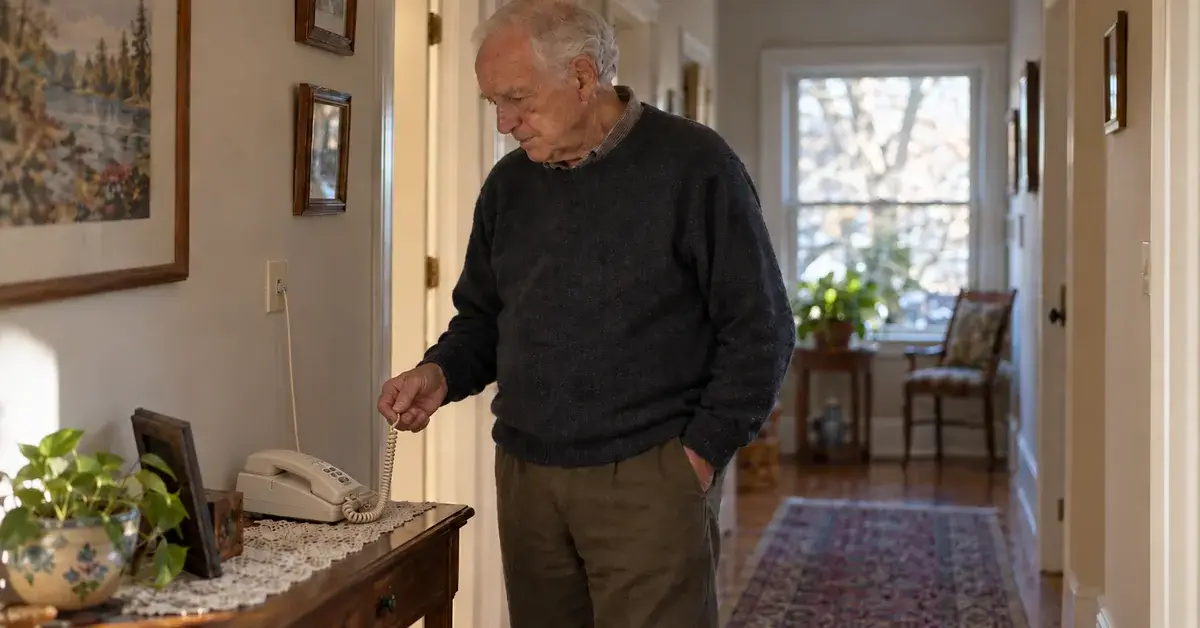
If the person you care for lives alone, our guide to living alone with dementia covers the wider safety picture: wandering risk, room-by-room checks, and what to do if someone goes missing. When you are ready to talk about fall detection without a wearable, Bedford’s Canadian team will walk through your rooms, your routines, and whether radar fits, in plain language.
Caring for someone who cannot ask for help? Talk it through with Bedford’s Canadian team, no obligation. Call 1-888-755-3055, or see the Silver Shield radar system.