Aging and Sleep: More Than Just Restless Nights
A fall at 2 a.m. can go unnoticed until morning when someone lives alone. That is what makes sleep, for seniors, a safety issue as much as a comfort one. Seniors often report feeling less refreshed upon waking, experiencing more awakenings throughout the night, and spending less time in deep restorative sleep. Sleep researchers have documented each of these changes.
Here’s what’s really happening:
- Melatonin production decreases, especially after age 60. This hormone regulates the sleep-wake cycle, and reduced levels can lead to more shallow or fragmented sleep.
- The brain’s internal clock (circadian rhythm) weakens with age, causing older adults to feel sleepy earlier in the evening and wake up earlier in the morning, sometimes uncomfortably early.
- Sleep apnea and insomnia become more common, especially among seniors with chronic conditions, cognitive decline, or anxiety.
- Seniors spend less time in slow-wave sleep (SWS), the deepest, most restorative phase of sleep. This limits overnight physical recovery and makes them more prone to fatigue, confusion, and falls.
For older adults, poor sleep can mean higher fall risk, lower alertness, and reduced independence.
Why Sleep Declines with Age
Understanding the biology behind age-related sleep changes helps explain why nighttime safety becomes a bigger concern for seniors:
- Neurochemical Shifts
The production of sleep-regulating neurotransmitters such as GABA and melatonin slows down with age. This makes it harder for seniors to fall into a deep, continuous sleep. - Medical Conditions & Medications
Common age-related health conditions (like arthritis, bladder issues, diabetes, and cardiovascular disease) can cause pain or discomfort at night. Meanwhile, many medications, including beta blockers, antidepressants, and diuretics, may disrupt sleep quality or increase nighttime awakenings. - Increased Light Sleep
Seniors tend to spend more time in lighter stages of sleep, making them more likely to be awakened by noises, discomfort, or internal triggers (like the need to use the washroom). - Sleep Disorders
Sleep apnea and restless leg syndrome are more common in seniors and often go undiagnosed. These disrupt sleep architecture and increase the likelihood of nighttime confusion or accidents.
The Role of Wearable Medical Alert Devices
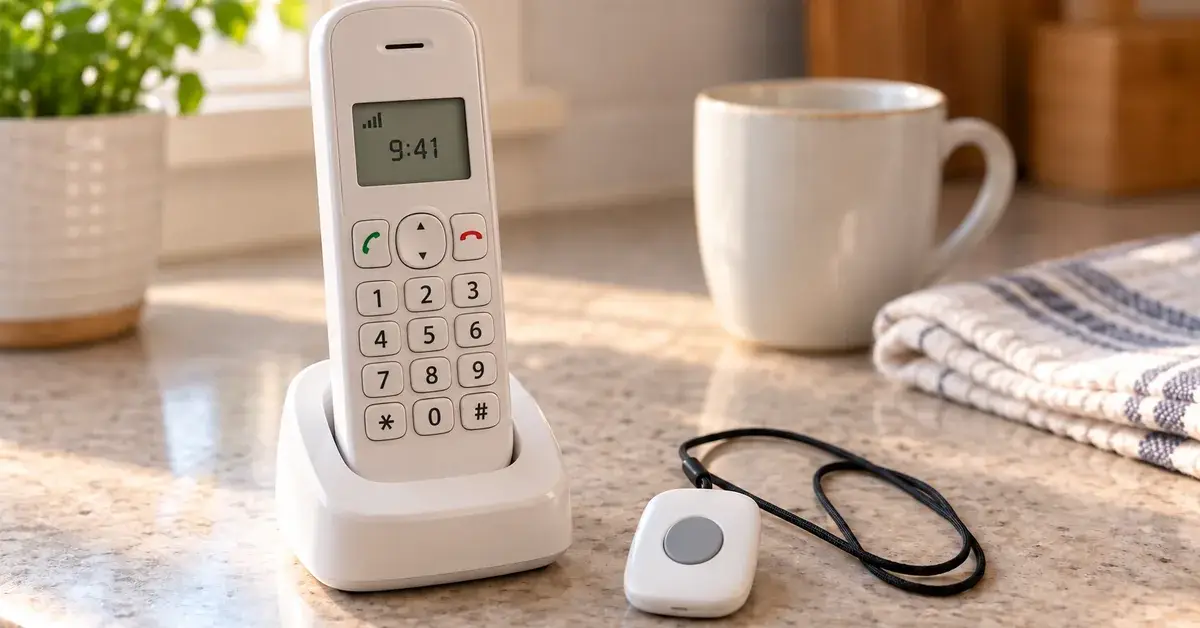
Bedford’s Home Freedom system, with optional fall detection, was built with these hours in mind.
For seniors who experience sleep disturbances, getting out of bed multiple times each night can be risky, especially in the dark or when they’re groggy. Even simple tasks like reaching for a glass of water or walking to the bathroom can lead to serious falls.
The Home Freedom device offers:
- 24/7 Monitoring: even while asleep
- Automatic Fall Detection: can trigger an alert without a button press
- Comfortable Wear: discreet, lightweight, and waterproof
- Peace of Mind for Families: real-time alerts and fast response
For families and caregivers, knowing that your loved one has fall protection while they sleep means one less thing to worry about at night. No sensor on the market catches every fall, so we treat detection as a backup to the button, not a replacement.
Sleep Disruption + Fall Risk = Time for Smart Prevention
Poor sleep can lead to drowsiness, disorientation, and delayed reaction times, especially dangerous in the middle of the night. For seniors, a fall at 2 a.m. may go unnoticed for hours if they live alone or don’t have access to immediate assistance.
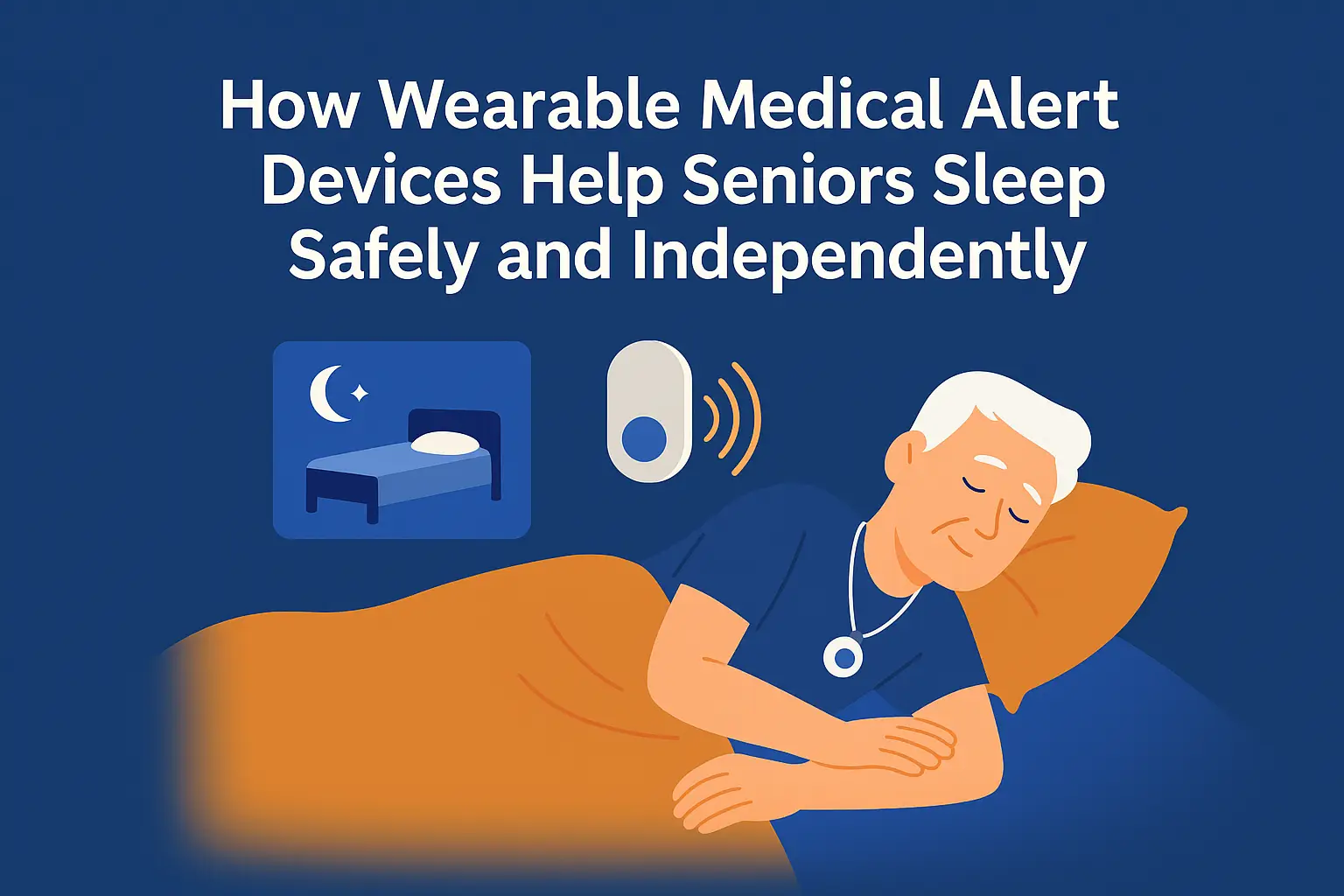
By wearing the Home Freedom device overnight, seniors gain an invisible layer of protection that’s always on, even if they’re confused, in pain, or unable to call out.
Tips to Improve Senior Sleep & Safety
If you’re caring for an aging parent or client, try these paired strategies:
- Create a calming evening routine and maintain a consistent bedtime
- Dim lights and reduce screen time before sleep
- Use night lights in bathrooms and hallways
- Encourage the use of wearable medical alert devices, like Home Freedom, especially during overnight hours
A conversation before the first fall is easier than one after it.
Planning Safer Nights at Home
Sleep disruption is a natural part of aging. Injury does not have to be. With the right tools, seniors can continue to age in place while maintaining their independence and safety.
The Home Freedom Medical Alert System helps make that possible, quietly and comfortably.
Compare our fall detection systems
Learn about GPS-enabled systems for safety on-the-go
Call us today: 1-888-755-3055
Download the Buyer’s Guide to medical alert systems in Canada
Night-time trips to the bathroom are one of the most common fall risks; our guide to bathroom safety for seniors covers a safer overnight route from bed to bathroom.