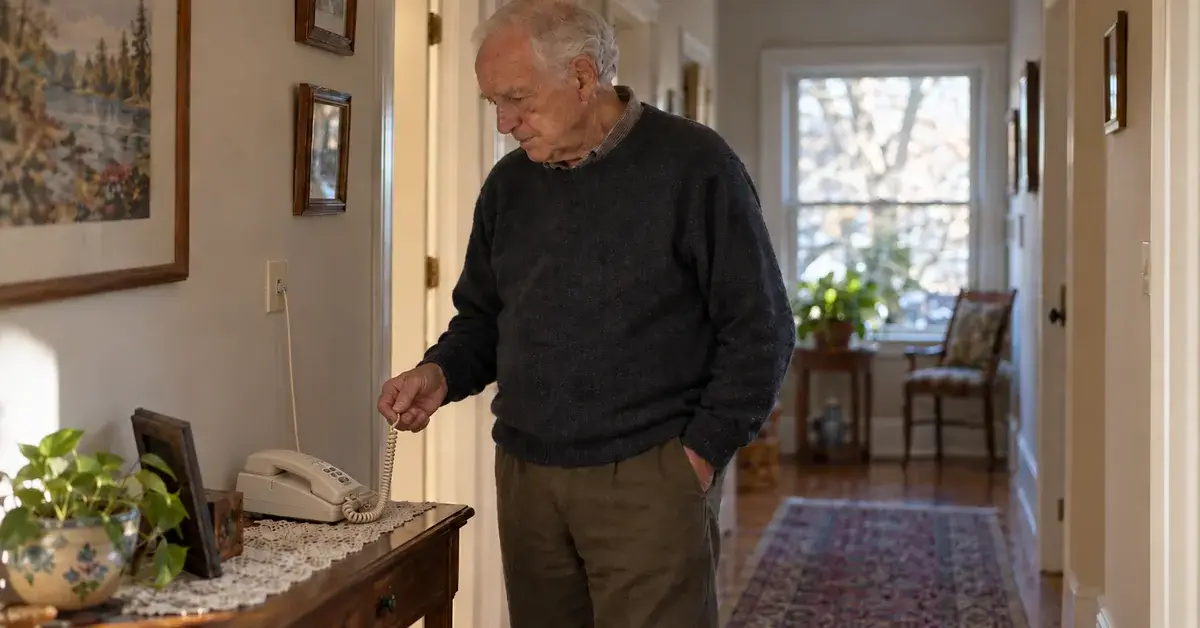
You notice it in small things first. The stack of unopened mail on the hall table has stopped moving. There is a carton of milk in the fridge three weeks past its date, and the same cardigan on the last four visits. Nothing is an emergency. Nothing, on its own, is even alarming. Put together, though, they start to spell something out, and the word they spell is that the person who raised you is not managing the way they used to.
Adult children call Bedford Medical Alert® with a version of this most weeks, usually circling the same worry before they name it: my parent needs a bit of help, and my parent will not hear of it. That gap, between needing help and accepting it, is one of the harder places a family can stand. This guide is about reading the early signs of self-neglect with respect, and about what a family can actually do when the person they are worried about is a competent adult who has said no.
None of what follows is medical or legal advice, and none of it is about winning an argument. It is the practical middle ground our care team talks families through: how to tell a hard week from a real pattern, why a parent digs in, the small steps that help without taking over, and the point where the situation belongs with a professional rather than a worried son or daughter.
A hard week, or a pattern
Everyone has an off stretch. A single expired yogurt is a Tuesday, not a crisis. What matters is the pattern that holds across visits, and the direction it points.
The signs that tend to add up are ordinary and physical. Weight that has visibly dropped, or a fridge that is either bare or full of food gone over. Pill bottles still full when they should be half empty, or muddled into the wrong days. Letters and bills piling unopened. A home that was always kept a certain way slipping, or a new reluctance to let anyone past the front hall. Small burns or bruises that get waved off. A parent who used to phone every Sunday going quiet.
You are not diagnosing anything by noticing. You are paying attention, which is the first and most useful thing a family member can do.
Why a parent digs in
When an older adult refuses help, the refusal is usually protecting something. Independence is not a small thing to hand over. For a parent, saying yes to help can feel like the first step toward losing the house, the driving, the say over their own day, and the identity that came with all of it. The fear underneath “I am fine” is often the nursing home, whether or not anyone has said the word out loud.
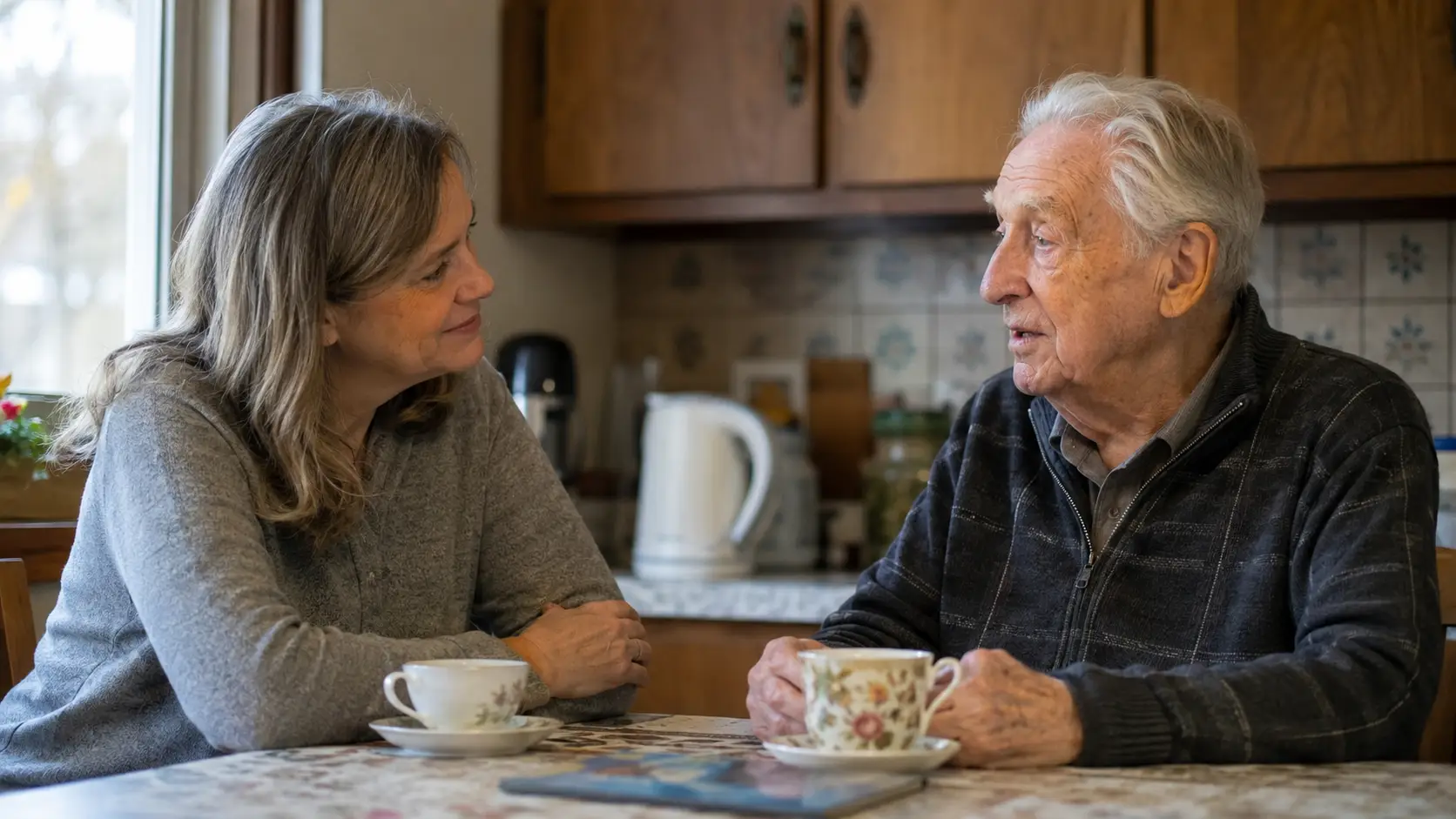
There is dignity in that resistance, and it is worth honouring rather than steamrolling. A parent who feels managed will dig in harder. A parent who feels respected will sometimes, slowly, meet you partway.
Start with one small thing
The instinct, once you are worried, is to fix everything at once: the stairs, the driving, the meals, the whole arrangement. That is the surest way to hear no. Smaller offers land better.
Pick the one thing that worries you most and that your parent might actually agree to. Maybe it is a grab bar in the bathroom, offered as a convenience rather than a verdict on their balance. Maybe it is a standing weekly call, or a grocery delivery that quietly lifts a chore off their plate. Each small yes makes the next conversation easier, and each one leaves your parent in charge of the choice.
How you raise any of this matters as much as what you raise. We wrote a separate guide on how to talk to a parent about a medical alert that carries over to most of these conversations, so this page stays out of its way. The goal in these families is usually the one the parent wants too: staying in their own home, safely, for as long as it works. Our overview of aging in place in Canada looks at the wider picture of doing that well.
Worried about a parent who will not accept help? Talk it through with Bedford’s Canadian care team at 1-888-755-3055. We will think it through with you, with no pressure and no assumption that a device is the answer.
Where a medical alert fits, and where it does not
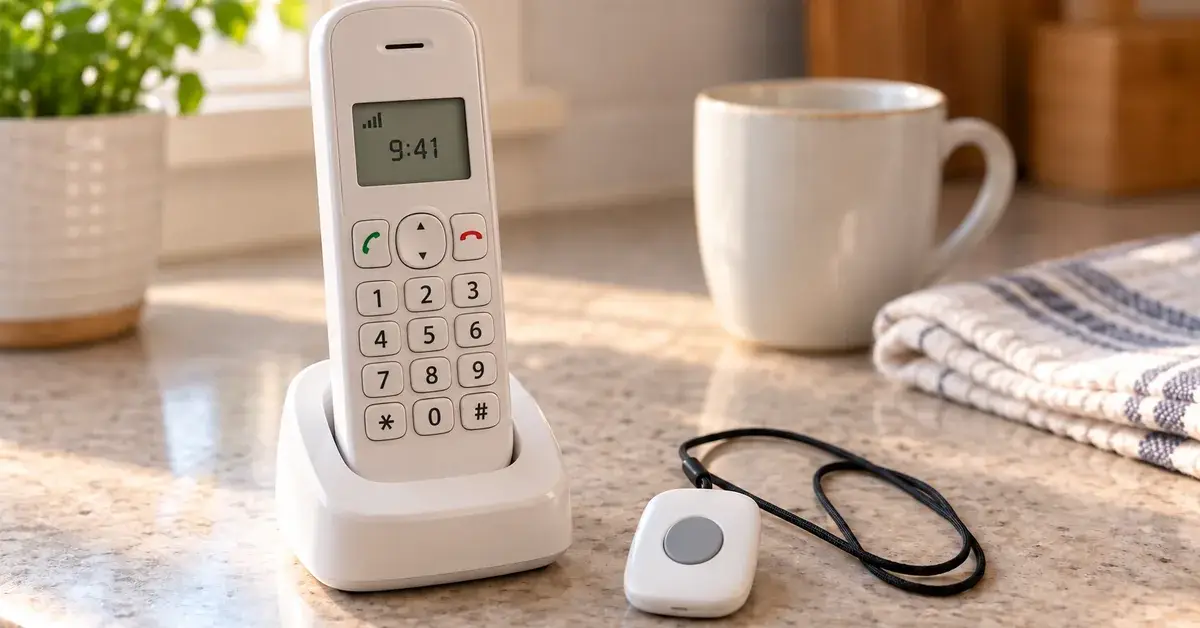
A monitored medical alert earns a place in this conversation because it asks so little. It does not move your parent, watch them, or take a single decision away from them. It is a small button worn on the wrist or around the neck, and its whole job is to make sure that if something goes wrong while they are alone, help is one press away.
That narrow promise is often the exact worry sitting under the family’s. A parent who will not discuss moving will sometimes agree to a button, because it is the kind of help that lets them stay put. With Bedford’s Home Freedom system, one press connects to a monitoring centre staffed around the clock in Canada, and the operator works from a personalized response plan the family sets up in advance: who to call first, who holds a spare key, when to send emergency services.
Here is the honest limit. A button will not make anyone eat, take their pills, or open the mail, and it does nothing about the slow parts of self-neglect. What it answers is the sharp fear underneath the slow ones: if a parent falls in the night, does anyone find out. For a lot of families that one answer is worth more than any argument they could win.
The equipment is included with the subscription, and there is no long-term contract, so a family can cover the season they are most worried about without signing on for years.
If you are the adult child holding all of this, often from another city, the weight is real and easy to carry alone for too long. Our guide to medical alert systems for caregivers is written for that reader, with practical ways to share the load instead of shouldering it.
When it is bigger than a family conversation
Some situations move past what respectful nudging can reach. Rapid changes, confusion that is new, hazards a person no longer registers, or any sign that someone else may be taking advantage: these belong with professionals, not with a worried family member alone. Start with the family doctor, who can look for something treatable behind the behaviour, from an infection to depression to early cognitive change.
For concerns that cross into neglect or abuse, Canada has help built for exactly this. The Canadian Network for the Prevention of Elder Abuse (cnpea.ca) points families toward support across the country, and most provinces run a seniors safety line answered by people who take these calls every day. Reaching for them is not going over your parent’s head. It is knowing the difference between what a family can carry and what it cannot.
Keeping the relationship, not just the house
The version of this that goes well is rarely dramatic. No single confrontation settles it. What works is patience, one small agreement at a time, and a parent who still feels like the author of their own life when the dust clears.
Bedford is Canadian-owned and operated, with 24/7 monitoring based in Canada and equipment included in the subscription, and it brings three generations of experience to conversations like these. The honest advice we give is not always a device of ours. Sometimes it is a grab bar, a doctor’s appointment, and a standing Sunday call. When a medical alert does fit, it fits because it keeps a parent home and in charge, which is usually what everyone in the family wanted in the first place.
When a parent is set on staying in their own home, the Home Freedom in-home system is the low-imposition safety net that keeps 24/7 Canadian monitoring one button away. Equipment is included, with no long-term contract. Call 1-888-755-3055 to talk through whether it fits your family.
By Eryn